Iran, Israel & US: Understanding the Escalating Middle East Tensions
The Middle East is teetering on the precipice of a wider regional conflict, with direct military engagements between long-standing adversaries Iran and Israel, further complicated by significant US involvement. What began as a complex geopolitical rivalry has recently escalated into open confrontation, drawing in numerous regional and international players. Understanding the multifaceted layers of this escalating crisis – from historical grievances and nuclear ambitions to the critical role of Iran's oil resources and US foreign policy – is essential to grasp the potential ramifications for global stability.
Recent days have witnessed a dramatic shift in the dynamics, moving beyond proxy skirmishes to direct attacks. The unfolding events underscore the fragility of peace in a region vital to the world's energy supply and economic health. This article delves into the immediate flashpoints, the historical underpinnings, and the profound implications of this dangerous escalation.
The Current Volatile Landscape: Direct Confrontation and Regional Spillover
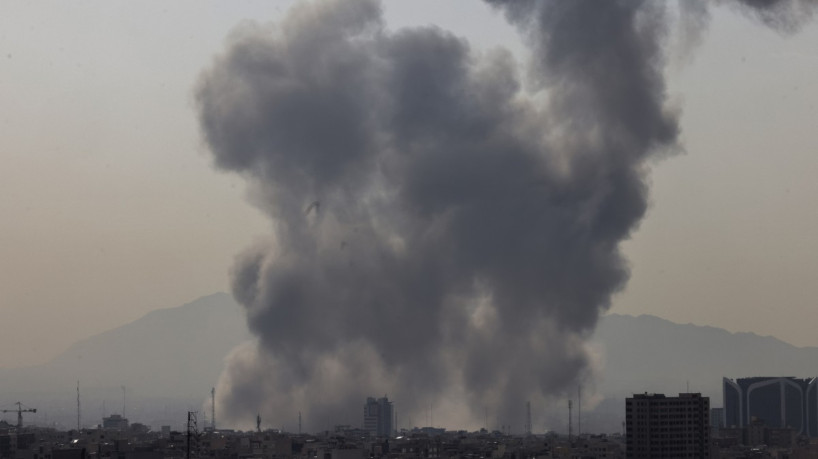
Following a period of intense US intervention, the conflict has entered a perilous new phase, marked by Israel and Iran exchanging direct blows. The situation escalated dramatically after the reported death of Iran's Supreme Leader, Ayatollah Ali Khamenei, in weekend attacks. Israeli forces subsequently confirmed strikes on what they described as the heart of Iran's political and military power – including the presidential complex and the Supreme National Security Council headquarters in Tehran.
The scale of recent attacks has been unprecedented. Iranian state media has reported a significant number of casualties, with deaths exceeding 700 in the initial days. Major Iranian cities, including the capital, Teheran, have been targeted, alongside attacks that reportedly killed key military figures suchs as the Minister of Defense, the Chief of Staff, and the Commander of the Revolutionary Guard. In a significant move, the Israeli military also struck the Assembly of Experts building, the body responsible for electing Iran's next Supreme Leader, while 88 Ayatollahs were believed to be inside. Conversely, Iranian retaliatory strikes have targeted Israel, with attacks reported in Tel Aviv, Jerusalem, and the West Bank. Beyond these core adversaries, the conflict has inevitably spilled over, directly impacting nations like Iraq, Jordan, Kuwait, Bahrain, Saudi Arabia, and the United Arab Emirates, which have either been caught in the crossfire or host military bases involved in the unfolding events.
The US has also become directly involved, with at least six American soldiers reported dead. A particularly significant development saw the US Navy confirm the sinking of an Iranian warship, the IRIS Dena, in the Indian Ocean, illustrating the widening scope of military engagement beyond traditional regional boundaries. This incident, confirmed by Defense Secretary Pete Hegseth, signals a dangerous expansion of naval hostilities. For more on this specific event, see: US Sinks Iranian Warship Amid Escalating Middle East Conflict.
Deep Roots of Discord: A Decades-Long Rivalry
The animosity between Iran and Israel is not new, tracing its origins back decades. For many years, their confrontation was largely indirect, characterized by proxy conflicts. Iran has been a key financier and supporter of armed groups challenging Israel, most notably Hezbollah in Lebanon, and various factions in Gaza and Yemen. This strategic encirclement has been a primary concern for Israeli security.
A pivotal moment in recent history was the 2015 nuclear agreement, the Joint Comprehensive Plan of Action (JCPOA), which aimed to curb Iran's nuclear program in exchange for sanctions relief. However, the United States' withdrawal from the deal in 2018 under the Trump administration, followed by the re-imposition of severe sanctions targeting Iran's oil exports and financial sectors, significantly ratcheted up tensions. This move effectively undermined the international consensus on Iran's nuclear activities and provided Iran with a pretext to restart and accelerate its uranium enrichment program, pushing it closer to weapons-grade material. For a broader view of the escalating conflict, refer to: Iran-Israel-US Conflict Escalates: A Regional War?
The core of the dispute revolves around Iran's perceived regional hegemonic ambitions, its support for non-state actors, and its nuclear program, which Israel views as an existential threat. The US, while not directly at war with Iran, has maintained a robust military presence in the region, largely to protect its interests, support allies like Israel and Saudi Arabia, and deter Iranian aggression. The complex web of alliances and rivalries, combined with the strategic importance of Middle Eastern energy resources, creates a highly combustible environment where a localized incident can quickly spiral into a major conflagration.
The Global Stakes: Oil, Power, and Diplomacy
The current escalation in the Middle East carries profound global implications, particularly concerning energy markets and international stability. The region is the world's largest producer of crude oil, and any significant disruption to its supply routes – especially through critical chokepoints like the Strait of Hormuz, through which a substantial portion of global petroleum transits – would send shockwaves through the global economy. Already, markets are reacting to the uncertainty, with oil prices showing volatility. This instability affects not just consumer prices but also geopolitical power dynamics, as nations scramble to secure alternative energy sources or adapt to higher costs.
The role of the United States in this conflict is multifaceted. While providing staunch support to Israel, the US also seeks to prevent a full-scale regional war that could destabilize global energy supplies and draw America into another protracted Middle Eastern conflict. US sanctions have severely impacted Iran's oil revenues, weakening its economy but also fueling anti-American sentiment within the regime. The death of Iran's Supreme Leader adds another layer of unpredictability, as a succession crisis could either lead to a hardening of positions or open avenues for new diplomatic engagement, however unlikely it seems in the immediate aftermath.
Understanding Iran's Strategic Calculus
For Iran, the pursuit of a nuclear program and the support of regional proxies are seen as vital to its national security and its ambition to be a dominant regional power. The loss of its Supreme Leader, Ali Khamenei, represents a significant blow to the regime's stability and could trigger a period of internal power struggles. The regime's rhetoric often portrays the US and Israel as aggressors seeking to undermine the Islamic Republic, rallying internal support through nationalism and anti-imperialist narratives. Attacks on Israeli and US assets are often framed as legitimate defense or retaliation for perceived injustices and external pressures, including the crippling sanctions on its economy and oil industry.
Israel's Security Imperatives
Israel views Iran's nuclear ambitions and its network of regional proxies, particularly Hezbollah, as an existential threat. Its doctrine of pre-emptive self-defense dictates a proactive approach to neutralize threats before they materialize. The direct attacks on Iranian political and military targets underscore Israel's resolve to prevent Iran from developing nuclear weapons and to dismantle its regional influence. From Israel's perspective, the current escalation is a necessary measure to ensure its long-term security in a hostile neighborhood.
The US Role: Sanctions, Support, and Stability
The US has consistently affirmed its commitment to Israel's security while also attempting to de-escalate wider regional tensions. The US withdrawal from the JCPOA and subsequent "maximum pressure" campaign, primarily targeting Iran's oil exports, aimed to force Iran back to the negotiating table for a more comprehensive deal. However, this strategy has arguably contributed to the current escalation by pushing Iran to accelerate its nuclear program and increasing its reliance on regional proxies. The US military presence in the Middle East serves as a deterrent but also makes it a potential target, as evidenced by recent casualties. Balancing deterrence with de-escalation is a delicate tightrope walk for Washington.
Conclusion: Navigating the Brink of War
The Middle East stands at a critical juncture. The direct engagement between Iran and Israel, coupled with significant US involvement and the death of Iran's Supreme Leader, marks an unprecedented period of risk. The regional dominoes are already falling, with countries across the Middle East becoming increasingly entangled. The potential for a full-scale war is palpable, threatening to unleash devastating humanitarian consequences, further destabilize global energy markets heavily reliant on Iran's oil, and reshape the geopolitical landscape for decades to come. While diplomatic efforts are reportedly underway behind the scenes, the immediate future appears fraught with peril, demanding cautious navigation from all involved parties to prevent a catastrophic regional conflict.